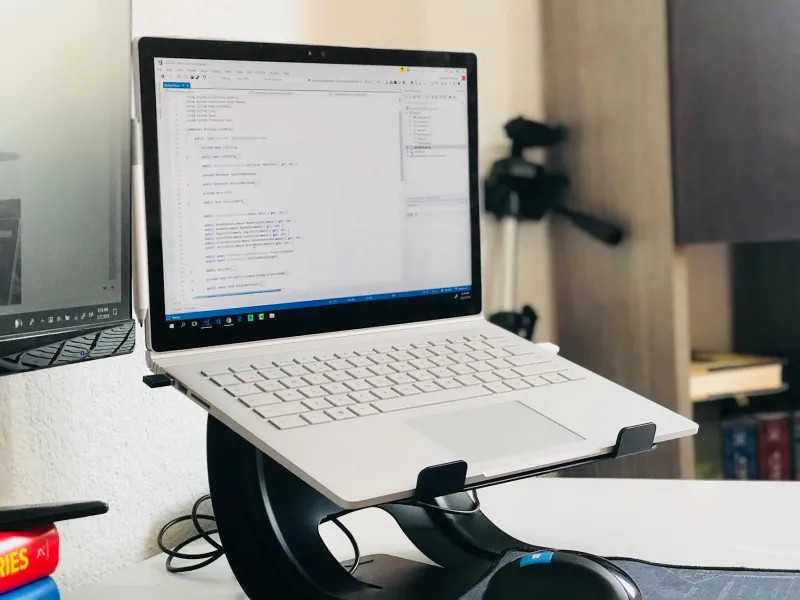
The Remote Working Revolution Reaches Domestic Employment
The landscape of work has fundamentally shifted since the pandemic, with flexible and remote working becoming standard expectations across most employment sectors. This transformation has not bypassed domestic staff, where personal assistants are beginning to question which aspects of their roles genuinely require physical presence at their employer's home or office.
For UK private employers, this presents a unique challenge. Unlike corporate environments where remote working protocols are well-established, domestic employment has traditionally relied on physical presence and immediate availability. However, dismissing all requests for flexible arrangements could result in losing valuable staff or facing statutory flexible working request procedures.
Understanding Your Legal Obligations
Under UK employment law, all employees with at least 26 weeks' continuous service have the right to request flexible working arrangements. This includes personal assistants and other domestic staff. Employers must consider these requests in a reasonable manner and can only refuse on specific business grounds outlined in legislation.
The eight statutory reasons for refusal include:
- Additional costs that would damage the business
- Detrimental effect on ability to meet customer demand
- Inability to reorganise work amongst existing staff
- Detrimental impact on quality or performance
- Insufficiency of work during proposed working times
- Planned structural changes to the business
- Burden of additional costs
- Detrimental effect on customer service
For domestic employers, the most relevant grounds typically centre on service quality, availability requirements, and the personal nature of assistance provided.
Categorising Personal Assistant Duties
The key to evaluating remote work requests lies in systematically categorising your personal assistant's responsibilities. Create three distinct categories:
Location-Dependent Tasks
These duties require physical presence and cannot be performed remotely:
- Household management and supervision of other staff
- Personal errands and shopping
- Event planning requiring on-site coordination
- Security-related responsibilities
- Physical document filing and management
- Face-to-face meeting coordination
- Emergency response and availability
Hybrid-Suitable Tasks
These responsibilities can be performed either remotely or on-site:
- Calendar management and appointment scheduling
- Email correspondence and communication
- Research projects and information gathering
- Travel planning and booking
- Invoice processing and basic bookkeeping
- Digital document management
- Vendor liaison and coordination
Remote-Capable Tasks
These duties can be effectively managed from any location:
- Online research and market analysis
- Social media management
- Digital correspondence
- Data entry and database management
- Report writing and document preparation
- Online shopping and comparison research
This categorisation exercise provides the foundation for informed decision-making regarding flexible working requests.
Developing Your Response Framework
When faced with a remote working request, follow this structured approach:
Initial Assessment
Review the specific arrangements being requested against your categorised task list. Consider whether the proposed working pattern would genuinely impact service delivery or merely challenge traditional expectations about domestic employment.
Alternative Solutions
If a full remote arrangement isn't feasible, explore compromise solutions:
- Designated remote working days for administrative tasks
- Core hours requirement with flexible start/finish times
- Hybrid arrangements allowing remote work during specific periods
- Task-specific flexibility for research-heavy projects
Documentation Requirements
Any agreed flexible working arrangement must be properly documented through a contract variation or formal agreement. This should specify:
- Which tasks can be performed remotely
- Required availability windows
- Communication protocols and response times
- Performance monitoring arrangements
- Review periods and adjustment mechanisms
Managing Performance and Accountability
Remote working arrangements for personal assistants require robust performance management systems. Establish clear metrics for evaluating effectiveness:
- Task completion rates and quality standards
- Response times to communications
- Availability during agreed core hours
- Achievement of specific project milestones
- Client or household satisfaction measures
Regular check-ins become crucial for maintaining service standards and addressing any emerging issues before they impact the working relationship.
Setting Realistic Expectations
Transparency about limitations is essential when discussing remote working possibilities with your personal assistant. Clearly communicate which aspects of their role are non-negotiable in terms of physical presence and explain the reasoning behind these requirements.
This honest dialogue helps prevent unrealistic expectations and demonstrates your willingness to accommodate flexibility where genuinely possible. It also provides an opportunity to explore whether role adjustments might create more remote working opportunities without compromising essential services.
Maintaining Professional Standards
Remote working arrangements should not diminish the professional standards expected from your personal assistant. Establish clear protocols for:
- Professional communication during remote working periods
- Confidentiality and data security measures
- Equipment and technology requirements
- Expense arrangements for home working costs
These standards ensure that flexible arrangements enhance rather than compromise the employment relationship.
Conclusion
The evolution of working practices presents both opportunities and challenges for domestic employers. By thoughtfully evaluating remote working requests against genuine business needs and legal requirements, UK private employers can make informed decisions that balance operational effectiveness with employee satisfaction.
Success lies in approaching these requests with an open mind whilst maintaining clear boundaries around essential service requirements. This balanced approach helps retain valuable staff whilst preserving the high standards of personal assistance that domestic employers rightfully expect.