When your household requires round-the-clock support, the question of overnight arrangements inevitably arises. Many private employers assume that providing accommodation for a personal assistant to sleep on-site represents a straightforward employment arrangement. However, the legal landscape surrounding sleep-in shifts has evolved dramatically in recent years, creating obligations that can catch the unwary employer off-guard.
The Legal Framework: Sleep-In Versus Waking Night Duties
The fundamental distinction between sleep-in and waking night duties lies in the level of activity expected during overnight hours. A waking night shift requires your personal assistant to remain alert and actively working throughout their shift, attracting full National Minimum Wage rates for every hour worked.
Sleep-in arrangements, by contrast, involve your PA being present on the premises primarily to respond to emergencies or specific incidents, with the expectation that they will sleep for most of the night. The crucial legal test centres on whether your assistant is merely 'available' for work or actively 'working' throughout the night.
Landmark Case Law and Its Impact
The Royal Mencap Society v Tomlinson-Blake case fundamentally reshaped how sleep-in shifts are treated under employment law. The Supreme Court ruled that workers are only entitled to National Minimum Wage during periods when they are 'working', not simply when they are available for work. This means that during genuine sleep periods, minimum wage obligations may not apply.
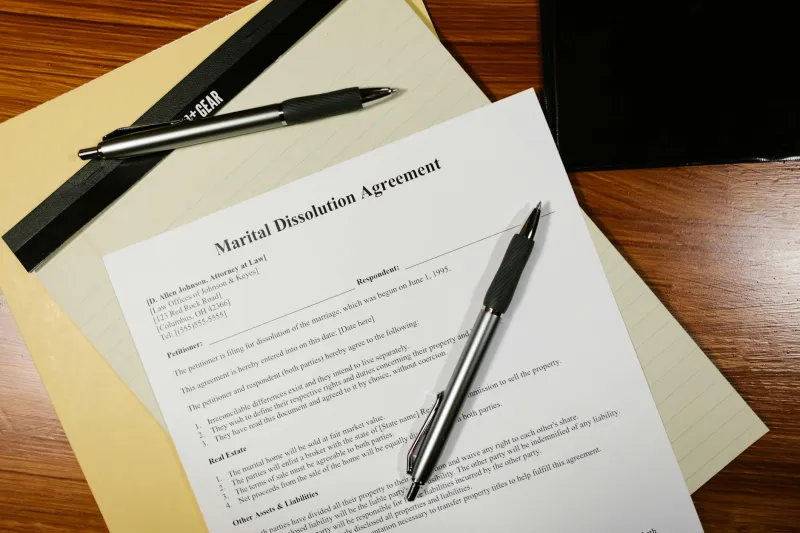
 Photo: Royal Mencap Society v Tomlinson-Blake, via upload.wikimedia.org
However, this ruling comes with significant caveats. Any time your PA is actively responding to calls, providing assistance, or undertaking specific duties during the night must be paid at minimum wage rates. The challenge for employers lies in accurately recording and compensating for these periods of activity.
Structuring Compliant Sleep-In Arrangements
To establish a legally sound sleep-in arrangement, your employment contract must clearly define expectations and boundaries. The agreement should specify that your PA's primary function during overnight hours is to sleep, with duties limited to responding to genuine emergencies or pre-agreed circumstances.
Consider implementing a system for recording any periods of active work during sleep-in shifts. This might include a simple log where your assistant notes any interruptions to their sleep, along with the duration and nature of the assistance provided. Such documentation protects both parties and ensures accurate payment for work performed.
Accommodation and Facility Requirements
Providing appropriate sleeping accommodation is both a practical necessity and a legal requirement. Your PA must have access to suitable sleeping facilities, including a proper bed, heating, and basic amenities. The accommodation should offer reasonable privacy and comfort, recognising that your assistant is entitled to genuine rest during their sleep-in period.
The provision of meals during overnight shifts requires careful consideration. While you're not obligated to provide food, many employers find that doing so supports the overall arrangement and demonstrates care for their assistant's welfare.
Fair Compensation Structures
Determining appropriate compensation for sleep-in shifts requires balancing legal compliance with fair remuneration. Many employers opt for a flat-rate payment that covers the inconvenience of sleeping away from home, plus additional hourly payments for any periods of active work.
Some arrangements include an allowance that recognises the commitment required to be available overnight, even when no active work occurs. This approach can help maintain goodwill whilst ensuring the arrangement remains attractive to potential assistants.
Managing Interruptions and Active Periods
Establishing clear protocols for when your PA should be woken during a sleep-in shift protects both parties from misunderstandings. Consider creating a written guide that outlines genuine emergencies versus situations that can wait until morning.
For households where overnight interruptions are frequent, a sleep-in arrangement may not be appropriate. In such cases, a waking night duty structure, with full hourly rates throughout the shift, provides greater clarity and compliance certainty.
Documentation and Record-Keeping
Maintaining accurate records of sleep-in arrangements serves multiple purposes. Beyond ensuring compliance with minimum wage obligations, proper documentation demonstrates your commitment to fair employment practices and provides protection should any disputes arise.
Your records should include the agreed sleep-in rate, any additional payments for active work periods, and clear notes about the nature of duties performed during overnight hours. This information proves invaluable for both payroll purposes and potential tribunal proceedings.
Regular Review and Adjustment
Sleep-in arrangements should be subject to regular review, particularly if the pattern of overnight requirements changes. What begins as occasional emergency coverage might evolve into more frequent active duties, potentially requiring a shift towards a waking night arrangement.
Open communication with your PA about the practical reality of overnight duties helps ensure the arrangement remains fair and legally compliant. If sleep interruptions become routine, the fundamental nature of the role may have changed, necessitating contractual adjustments.
Practical Implementation Steps
Begin by conducting an honest assessment of your overnight support needs. If genuine sleep periods are likely to be frequent and lengthy, a sleep-in arrangement may be appropriate. However, if regular active assistance is required throughout the night, a waking night structure offers greater legal certainty.
Draft clear contractual terms that specify the nature of the overnight arrangement, compensation structure, and accommodation provisions. Include provisions for recording and paying for any active work periods that occur during sleep-in shifts.
Establish protocols for different types of overnight situations, ensuring your PA understands when they should respond immediately and when matters can wait until morning. This clarity protects both parties and supports the legal distinction between availability and active work.
By approaching sleep-in arrangements with careful consideration of legal requirements and practical realities, you can create overnight support structures that meet your household's needs whilst ensuring full compliance with employment law obligations.